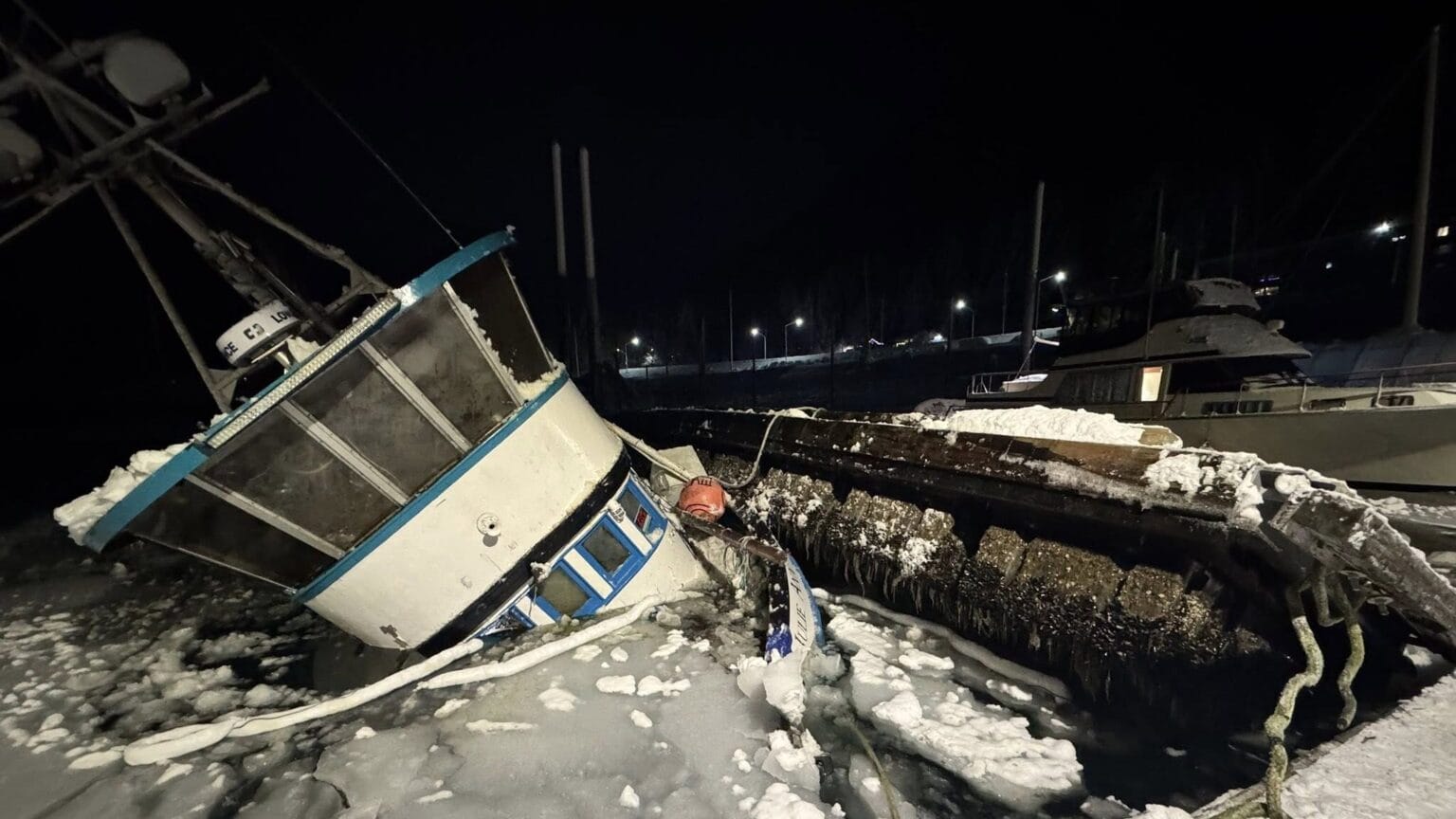
Harbor Emergency: Juneau's Fight Against Extreme Weather & Sunken Vessels
The serene waters of a harbor can quickly turn into a scene of disaster when extreme weather strikes. While searches for incidents like "boat sinking Brisbane" might bring up concerns from Australia's sunny shores, the stark reality of vessel vulnerability recently hit home in Juneau, Alaska, with an unprecedented and severe crisis. The capital city found itself battling not just the elements, but the devastating aftermath of record-breaking snowfall that led to the sinking of numerous boats, testing its resilience and highlighting critical lessons for coastal communities worldwide. This wasn't merely an unfortunate event; it was a potent reminder of nature's power and the escalating need for robust preparedness in the face of changing climate patterns.
Juneau's Unprecedented Winter Battle: When Snow Becomes a Threat
December and January descended upon Juneau with a ferocity unlike anything the city had experienced in recent memory. Record-shattering snowfall blanketed the region, transforming familiar landscapes into an overwhelming white expanse. For boat owners and harbor staff, this wasn't just picturesque; it was perilous. Juneau Harbormaster Matt Creswell recounted the severity, explaining that while the city is accustomed to significant snowfall, the sheer volume this time was exceptional. "That big snow hit and things started happening," Creswell stated, underscoring how quickly the situation escalated beyond typical winter challenges.
This colossal accumulation of snow placed immense, unanticipated stress on vessels moored across Juneau’s four harbors: Statter, Aurora, Harris, and Douglas. From compact 20-foot recreational craft to substantial 58-foot commercial fishing vessels, no boat was immune to the immense weight pressing down on decks, cabins, and covers. The sheer mass of the snow, turning from light flakes to heavy, water-saturated burdens, became an immediate and overwhelming force, pushing boats lower and lower into the frigid Alaskan waters. It was a crisis that demanded immediate attention and demonstrated the urgent need for communities everywhere to consider the diverse threats to their maritime infrastructure, whether it's extreme cold in Alaska or flash floods and intense storms that could cause a boat sinking in Brisbane or other warmer climates.
The Silent Destroyer: Snow, Ice, and the Freeze-Thaw Cycle
The immediate culprit for the Juneau sinkings was the enormous weight of the snow itself, but as Harbormaster Creswell elucidated, the problem didn't end there. Following the initial snowfall, plummeting temperatures introduced a secondary, insidious threat: the freeze-thaw cycle. This often-underestimated phenomenon proved devastating for many vessels, turning minor issues into catastrophic failures.
Creswell's explanation paints a vivid picture: “Things freeze in boats, and as we all know, when things freeze, they expand. Things crack.” This is the fundamental principle behind much of winter damage. Water that finds its way into engine blocks, pipes, through-hull fittings, or even small hull cracks will expand as it freezes, exerting incredible pressure. While initially, the frozen water might seal the breach, the real danger emerges when temperatures rise even slightly. "If it’s super cold, you might not get water intrusion at that point, but soon as it starts warming up and thawing a bit, then if you’ve had a cracked-through hull fitting, water comes into the vessel." This slow, relentless intrusion can go unnoticed until it's too late, filling bilges and eventually pulling the boat beneath the surface.
This intricate interplay of snow load and subsequent freeze-thaw damage underscores the complexity of winter boat care. It's not just about shoveling snow; it's about meticulous preparation to prevent water intrusion points and protect vulnerable systems. Understanding these mechanics is crucial for boat owners in any region susceptible to freezing temperatures, providing vital insights into safeguarding vessels from similar fates. For a deeper dive into these specific events, you can read more in
Winter's Weight: Understanding Juneau Boat Sinkings from Snow & Ice.
A Community United: The Aftermath and Environmental Response
The sight of submerged vessels is distressing, but the immediate aftermath of a boat sinking extends beyond property loss to significant environmental concerns. Fuel spills, battery acid leakage, and marine debris pose serious threats to fragile marine ecosystems. In Juneau, the cleanup effort quickly became a collaborative undertaking, showcasing the strength of community and inter-agency cooperation.
Harbor staff worked tirelessly alongside the U.S. Coast Guard and the Alaska Department of Environmental Conservation (DEC). The Coast Guard and DEC took the lead on environmental protection, deploying containment booms and initiating fuel recovery operations where necessary. As the property owner, the city also shared responsibility, demonstrating the complex legal and logistical challenges involved in such crises. Every effort was made to mitigate further damage, from the careful removal of sunken hulls to the meticulous collection of any liberated debris. This coordinated response is a testament to the dedication required to manage maritime emergencies effectively and protect precious natural resources.
Lessons from the Alaskan Frontier: Protecting Vessels Everywhere
The crisis in Juneau offers profound lessons not just for sub-arctic regions, but for coastal communities and boat owners globally. While the specific challenges might differ – extreme snowfall in Juneau versus tropical storms, intense rainfall, or even unseasonable cold snaps that could lead to a boat sinking in Brisbane – the core principles of preparedness, maintenance, and rapid response remain universal.
Here are vital takeaways for boat owners and harbor authorities:
*
Proactive Snow and Water Management: For regions prone to snow, regular and safe removal of snow from decks and covers is paramount. Ensuring scuppers are clear and functioning to drain water, not just snowmelt, is crucial.
*
Thorough Winterization: Beyond basic winterization, pay close attention to all through-hull fittings, seacocks, engine cooling systems, and freshwater plumbing. Use non-toxic antifreeze as appropriate.
A small crack can lead to a big problem.
*
Regular Vessel Checks: Even in fair weather, regular checks are essential. During periods of extreme weather, increase vigilance. Check bilge pumps, battery levels, and mooring lines frequently.
*
Mooring and Dock Infrastructure: Harbor authorities and boat owners must ensure mooring lines are robust and properly sized, and that dock infrastructure can withstand anticipated loads.
*
Emergency Planning: Have a plan in place for extreme weather. Know who to call, how to access your boat safely, and what actions you can realistically take.
*
Environmental Awareness: Be prepared for potential spills. Knowing the location of spill kits and having contact information for environmental agencies is vital.
The Juneau events highlight that vulnerability isn't exclusive to one type of weather or location. From Alaska's frozen harbors to the often-stormy coastlines that might prompt a search for a "boat sinking Brisbane," vessels face diverse and intensifying threats. The growing frequency and intensity of extreme weather events, often linked to climate change, mean that such incidents may become more common. For a more detailed look at the broader implications, see
Juneau's Snow Crisis: How Record Blizzards Sank 10 Harbor Boats.
The resilience shown by Juneau's community and the collaborative effort to mitigate damage offer a blueprint for others. It underscores the critical demand for both individual responsibility among boat owners and robust, collaborative strategies from local authorities and environmental agencies to safeguard maritime assets and ecosystems.
Conclusion
The extreme weather crisis in Juneau, Alaska, serves as a powerful testament to the ever-present challenges faced by coastal communities and mariners. The sight of ten vessels succumbing to the overwhelming weight of snow and the insidious damage of freeze-thaw cycles is a stark reminder of nature's formidable power. Yet, out of this adversity emerged a story of remarkable resilience, swift environmental response, and crucial lessons learned. Whether navigating the icy Alaskan fjords or the more temperate waters where a "boat sinking Brisbane" might be a concern, the principles remain the same: vigilance, meticulous preparedness, and a strong community spirit are indispensable tools in our ongoing fight against the unpredictable forces of extreme weather. By internalizing these lessons, we can better protect our vessels, our harbors, and our precious marine environments for generations to come.